


Cat5e vs Cat6 vs Cat6A Ethernet Cable Comparison
Choosing the correct Ethernet cable is essential when designing modern network infrastructure. For low voltage installers, IT technicians, telecom contractors, electricians, and structured cabling companies, understanding the differences between Cat5e, Cat6 and Cat6A helps ensure reliable performance and long-term scalability.
Structured cabling installations today typically require higher bandwidth, improved interference protection, and better long-distance performance than older network environments.
Cat5e Ethernet Cable
Cat5e (Category 5 Enhanced) has been widely used in residential and light commercial installations for many years. It supports Gigabit Ethernet and remains common in legacy networks.
- Speed: Up to 1 Gigabit
- Bandwidth: 100 MHz
- Maximum Distance: 100 meters
- Typical Use: Small offices, residential networks
While Cat5e can still support many applications, most professional installers today prefer Cat6 or higher for improved performance and future network requirements.
Cat6 Ethernet Cable
Cat6 is currently the most commonly installed Ethernet cable for professional structured cabling systems. It offers significantly improved performance compared to Cat5e and provides better protection against crosstalk and interference.
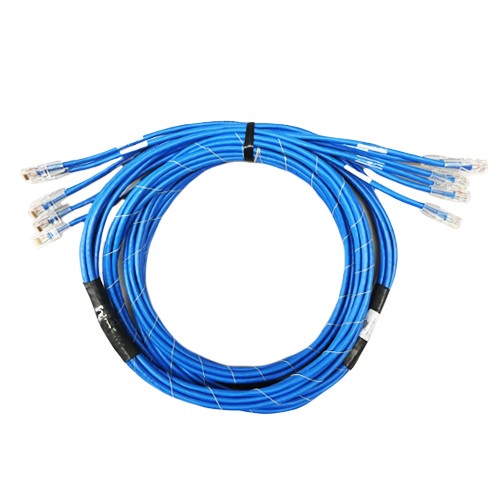
- Speed: Up to 10 Gigabit (short distances)
- Bandwidth: 250 MHz
- Improved Crosstalk Protection
- Ideal for commercial networks and infrastructure
Most network installers and telecom contractors choose Cat6 for office buildings, schools, healthcare facilities, and other commercial environments.
Cat6A Ethernet Cable
Cat6A (Augmented Category 6) is designed for high-performance network environments such as data centers, enterprise networks, and high bandwidth installations.
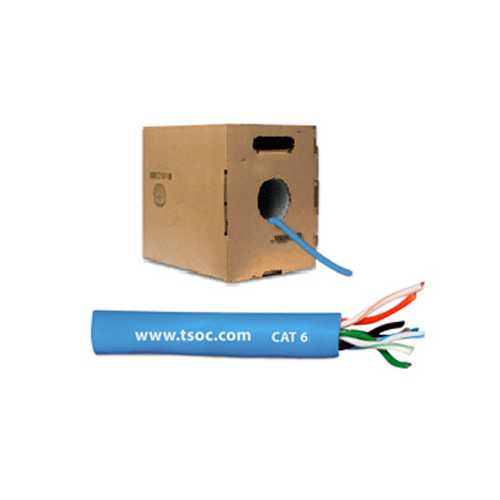
- Speed: 10 Gigabit up to 100 meters
- Bandwidth: 500 MHz
- Superior shielding and interference resistance
- Future-proof structured cabling installations
For new commercial buildings and large network deployments, many structured cabling companies choose Cat6A to support higher network demands and long-term scalability.
Quick Comparison
| Cable Type | Speed | Bandwidth | Typical Applications |
|---|---|---|---|
| Cat5e | 1 Gigabit | 100 MHz | Residential and small office networks |
| Cat6 | 10 Gigabit (55m) | 250 MHz | Commercial structured cabling installations |
| Cat6A | 10 Gigabit (100m) | 500 MHz | Enterprise networks and data centers |
Which Cable Should Installers Choose?
Most modern installations use Cat6 Ethernet cable because it provides excellent performance and value. However, for high bandwidth infrastructure and future-proof network environments, Cat6A is often recommended.
Linear Technologies supplies professional networking cables, tools and infrastructure products trusted by installers across Canada.
